


Adult Trauma

Emergency fracture care, modern surgical techniques, and faster recovery.

Adult orthopaedic trauma refers to serious injuries to bones, joints, ligaments, tendons, and muscles caused by external force or accidents.

These injuries often require urgent medical attention and specialized orthopaedic care.

What is Adult Orthopedic Trauma?

Adult orthopaedic trauma refers to serious injuries to bones, joints, ligaments, tendons, and muscles caused by external force or accidents. These injuries often require urgent medical attention and specialized orthopaedic care.
Trauma treatment focuses on:
  • Stabilizing fractures
  • Restoring bone alignment
  • Repairing damaged ligaments or tissues
  • Restoring mobility and function
Orthopaedic trauma surgeons use modern imaging, minimally invasive surgery, and advanced implants to ensure faster healing and recovery.

Types of Adult Trauma

  • Fractures
  • Dislocations
  • Ligament Injuries
  • Soft Tissue Injuries
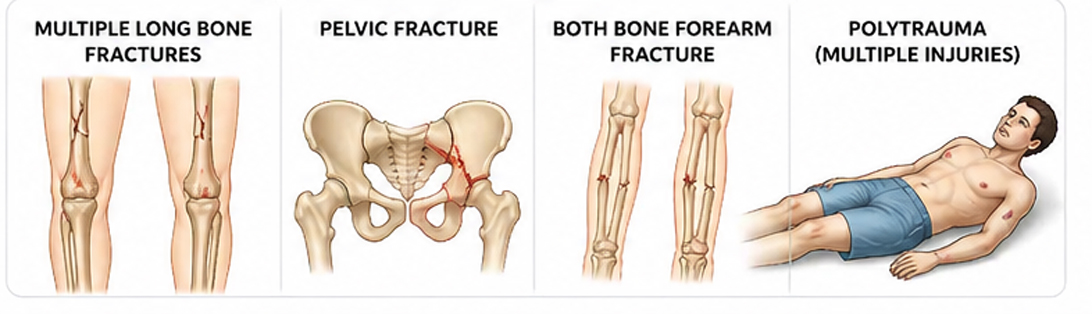
  • Complex Trauma
https://drpraneetorthogoa.com/wp-content/uploads/2026/04/F.jpg
https://drpraneetorthogoa.com/wp-content/uploads/2026/04/Dis.jpg
https://drpraneetorthogoa.com/wp-content/uploads/2026/04/Aclkneee.jpg
https://drpraneetorthogoa.com/wp-content/uploads/2026/04/sdfsfsfsffsf.jpg
https://drpraneetorthogoa.com/wp-content/uploads/2026/04/Bone1.jpg

1. Fractures

A fracture is a medical condition in which a bone breaks, cracks, or splits due to excessive force, trauma, or stress. Fractures commonly occur due to accidents, falls, sports injuries, or high-impact trauma.

Fractures can vary from a small hairline crack to a complete break where the bone separates into multiple pieces.

2. Dislocations

A dislocation occurs when the bones forming a joint are forced out of their normal position, causing the joint to lose its normal alignment.

Dislocations often result from falls, sports injuries, accidents, or sudden twisting movements.

3. Ligament Injuries

Ligament injuries occur when ligaments (strong connective tissues that connect bones to other bones) are stretched, partially torn, or completely torn.

These injuries usually happen due to sudden twisting movements, sports injuries, or high-impact trauma.

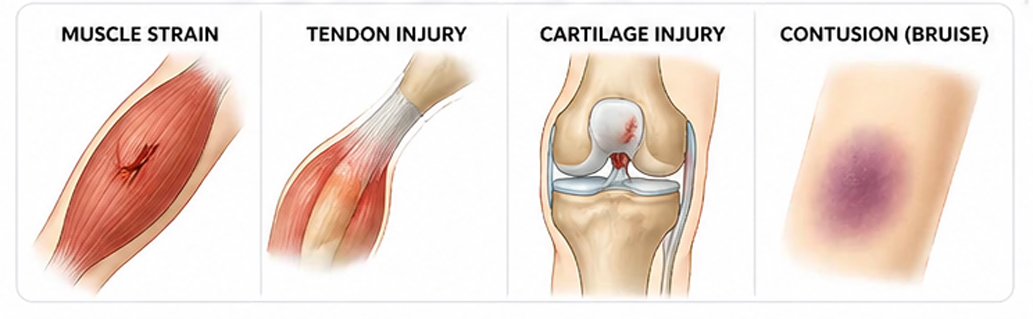
4. Soft Tissue Injuries

Soft tissue injuries involve damage to muscles, tendons, ligaments, or other supportive tissues surrounding bones and joints.

These injuries can occur from overuse, sudden movement, trauma, or direct impact.

5. Complex Trauma

Complex trauma refers to severe injuries involving multiple bones, joints, or body systems caused by high-impact accidents or major trauma events.
Symptoms of Orthopaedic Trauma

Common symptoms include:

  • Severe pain at injury site
  • Swelling and bruising
  • Difficulty moving the joint or limb
  • Visible deformity of bone
  • Limited range of motion
  • Numbness or weakness
  • Inability to bear weight

Immediate medical evaluation is recommended when these symptoms occur.

When Should You See an Orthopaedic Surgeon?

You should consult an orthopaedic specialist if you experience:

  • Severe joint or bone pain after injury
  • Difficulty walking or moving a limb
  • Suspected fracture or dislocation
  • Persistent swelling or instability
  • Sports injury affecting mobility
  • Injury that does not improve within a few days

Early specialist evaluation can significantly reduce long-term complications.

Diagnosis of Adult Trauma

Orthopaedic trauma diagnosis involves a combination of clinical evaluation and imaging tests.

Doctors examine:

  • Injury mechanism
  • Pain location
  • Joint stability
  • Range of motion
  • Nerve and blood supply
Modern Diagnostic Technology

Modern hospitals use advanced imaging technology such as:

  • Digital X-rays
  • CT Scan (3D bone imaging)
  • MRI scan (soft tissue evaluation)
  • Ultrasound for ligament injuries
  • Bone density testing for osteoporosis

These technologies help identify hidden fractures, ligament tears, and joint damage accurately.

Treatment Options for Adult Trauma

Treatment depends on:

  • Type of injury
  • Severity of fracture or damage
  • Patient age and health condition
  • Location of injury

Treatment goals include:

  • Pain relief
  • Proper bone alignment
  • Joint stability
  • Restoration of movement
Non-Surgical Treatment

Many injuries can be treated without surgery.

Common non-surgical methods include:

  • Casting or splinting
  • Bracing support
  • Pain management medications
  • Physiotherapy and rehabilitation
  • Activity modification

Minor fractures and ligament injuries often heal successfully with conservative treatment.

Surgical Treatment Options

Surgery is required when:

  • Bones are severely displaced
  • Fractures are unstable
  • Joint damage is severe
  • Ligaments are completely torn

Common orthopaedic trauma surgeries include:

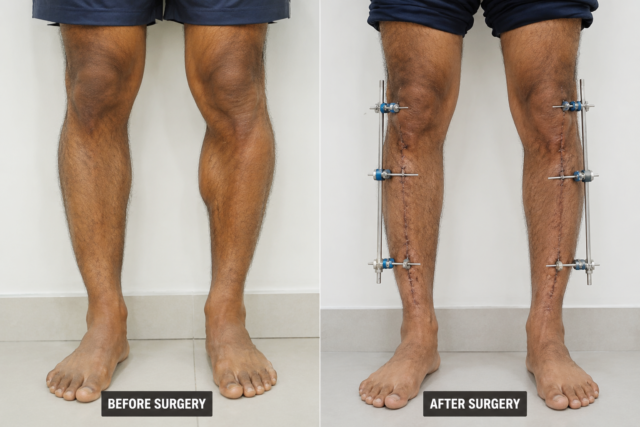
  • Fracture fixation surgery
  • Ligament reconstruction
  • Joint stabilization surgery
  • Arthroscopy procedures
Advanced Surgical Techniques

Modern orthopaedic surgery uses minimally invasive techniques to improve recovery.

Examples include:

  • Arthroscopic surgery
  • Locking plate fixation
  • Intramedullary nailing
  • Computer-assisted surgery
  • Biologic bone grafting

These techniques provide:

  • Smaller incisions
  • Less blood loss
  • Faster recovery
  • Reduced hospital stay
Benefits of Early Detection and Treatment

Early treatment of trauma offers major benefits:

  • Faster bone healing
  • Reduced complications
  • Lower risk of permanent disability
  • Better joint function
  • Faster return to daily activities

Delaying treatment may lead to chronic pain, joint stiffness, and improper bone healing.

Why Choose a Specialized Orthopaedic Trauma Surgeon?

An experienced orthopaedic trauma specialist provides:

  • Accurate diagnosis
  • Advanced surgical techniques
  • Comprehensive rehabilitation planning
  • Personalized treatment approach

Specialized care ensures faster recovery and better long-term outcomes for patients with complex orthopaedic injuries.