Geriatric trauma refers to injuries that occur in older adults, typically aged 60 years and above. As people age, bones become weaker, muscles lose strength, and balance may decline. Because of these age-related changes, even minor accidents such as a simple fall can lead to serious injuries in elderly individuals.
Older adults are more prone to fractures, joint injuries, and complications due to conditions like osteoporosis and reduced bone density. Trauma in elderly patients often requires specialized orthopedic care, early diagnosis, and careful rehabilitation to restore mobility and independence.
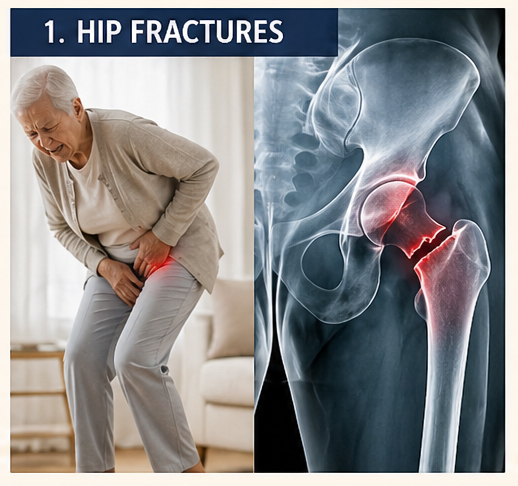
Hip fractures are one of the most common and serious injuries among elderly patients. They usually occur after a fall.
Symptoms may include:
Most hip fractures require surgical treatment such as hip replacement or fixation surgery.
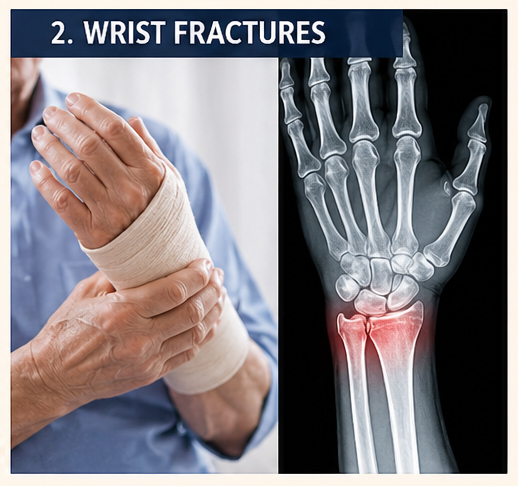
Wrist fractures often occur when elderly individuals try to break a fall using their hands.
Common signs:
Treatment may involve casting, splinting, or surgery depending on severity.
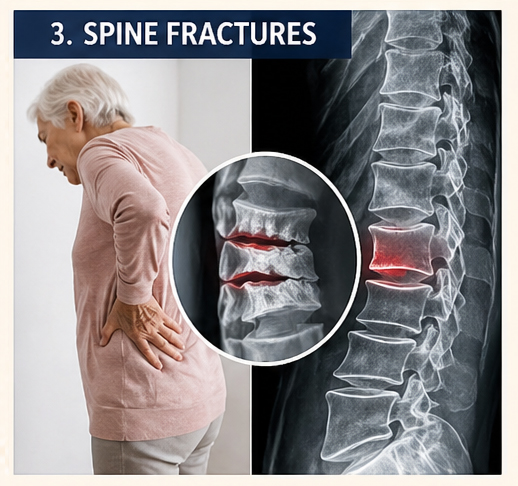
These fractures occur when the bones in the spine collapse, often due to osteoporosis.
Symptoms include:
Treatment may include bracing, medication, or minimally invasive spine procedures.
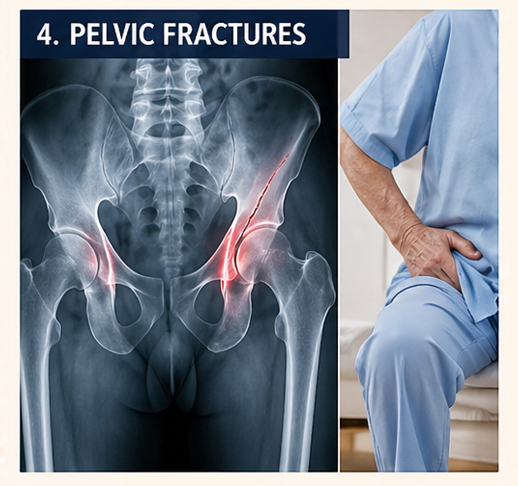
Pelvic injuries in elderly individuals usually result from falls or accidents.
Symptoms:
Severe cases may require surgical stabilization.
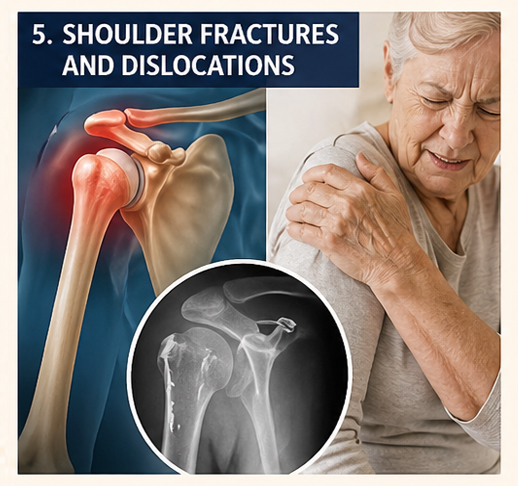
Shoulder injuries are common in elderly patients after falls.
Symptoms include:
Treatment options range from immobilization to shoulder replacement surgery.
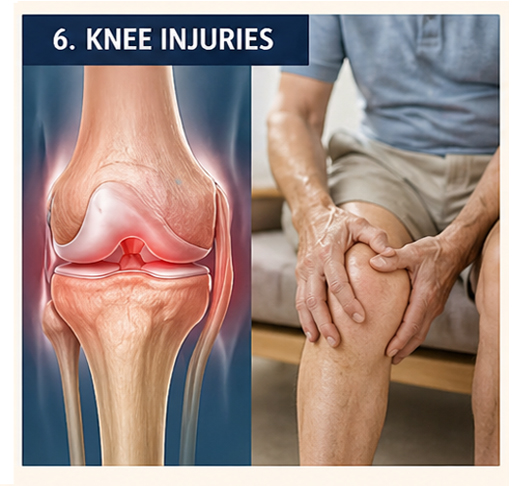
Older adults may suffer from:
These injuries may worsen existing arthritis and affect mobility.
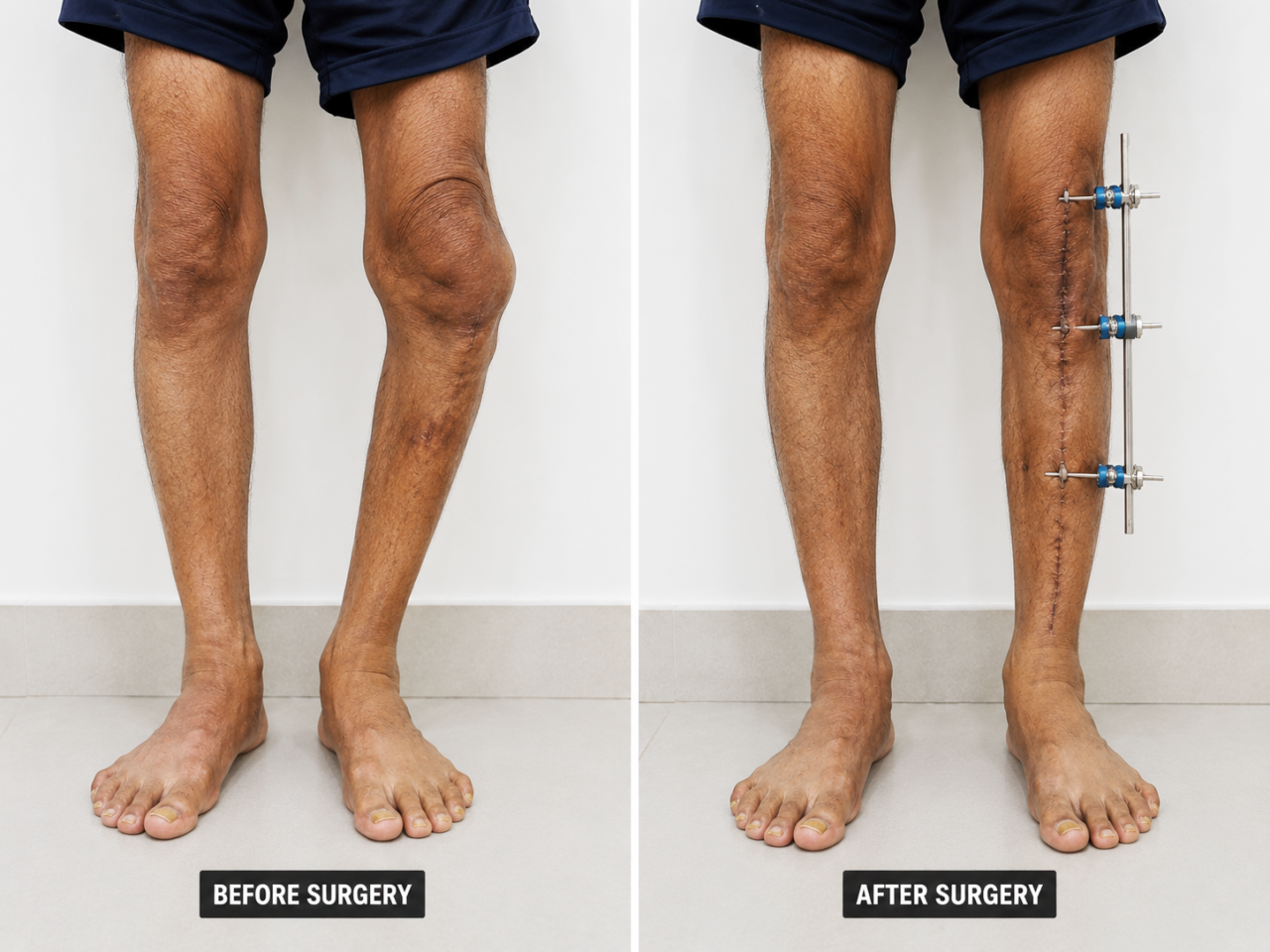
The most common causes include:
Studies show that over 60–70% of geriatric trauma cases are caused by simple falls.
Symptoms vary depending on the injury but may include:
Any of these symptoms should be evaluated immediately by an orthopedic specialist.
Doctors may use the following diagnostic tools:
Early diagnosis helps prevent complications and ensures faster recovery.
Treatment depends on the type and severity of the injury.
Common treatments include:
The goal of treatment is to restore mobility, reduce pain, and improve quality of life.
You should consult an orthopedic specialist immediately if an elderly person experiences:
Early medical evaluation helps prevent complications and speeds up recovery.
Early orthopedic care can:
Geriatric trauma is a serious health concern among older adults, but with timely diagnosis, advanced orthopedic treatments, and proper rehabilitation, most patients can recover successfully and maintain an active lifestyle. If an elderly person experiences pain or injury after a fall, it is important to seek immediate orthopedic consultation to ensure proper care and recovery.